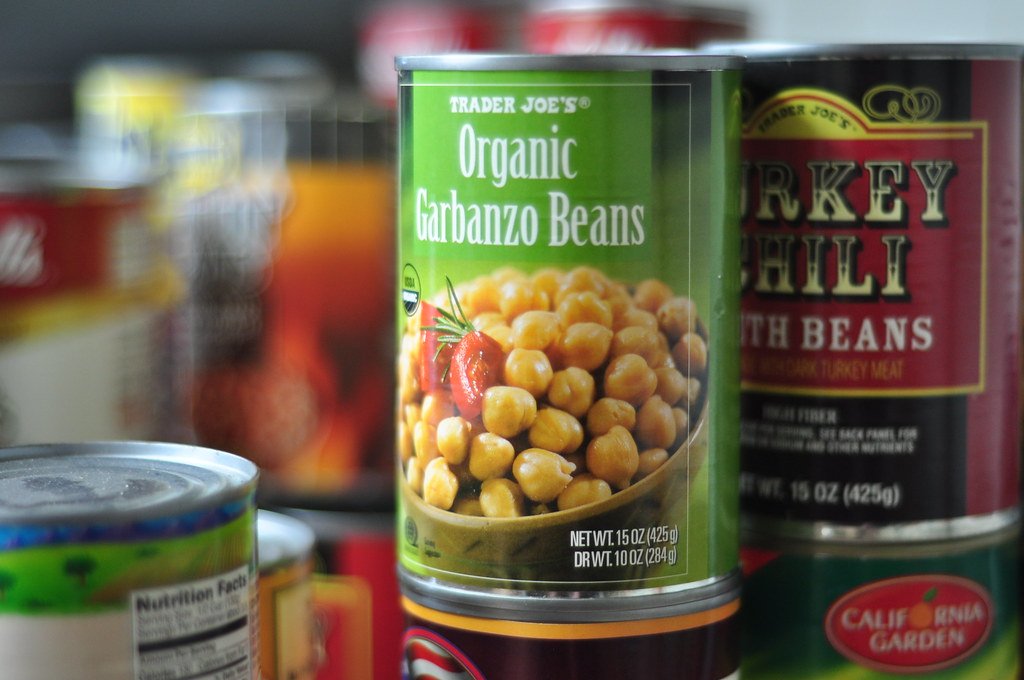
Practical systems for everyday households
Most people think long-term food storage means stockpiling extreme amounts of food or buying expensive kits they’ll never touch.
In reality, effective food storage is much simpler.
Long-term food storage is about having reliable food available when shopping is disrupted, using foods you already eat, and organizing them in a way that avoids waste.
This guide explains what actually works for normal homes — without panic, hoarding, or unnecessary spending.
What Long-Term Food Storage Really Means
Long-term food storage does not mean preparing for extreme scenarios.
For most households, it means being able to:
- Eat normally during short-term disruptions
- Handle supply delays or shortages
- Avoid last-minute trips when shelves are empty
The most effective approach combines:
- Pantry foods you already use
- Longer-lasting staples
- A simple rotation system
This layered approach provides flexibility without stress.
The Best Types of Long-Term Food Storage
Different foods serve different purposes. A balanced food storage plan includes several categories.
Pantry Staples (Everyday Foods)
These are foods you already eat and rotate naturally:
- Rice
- Pasta
- Beans
- Canned vegetables
- Canned proteins
- Oats
These foods are affordable, familiar, and easy to use.
Shelf-Stable Canned Foods
Canned foods provide:
- Long shelf life
- Minimal preparation
- Reliable calories and nutrition
Focus on foods your household already likes to eat. Storage only works if it gets used.
Freeze-Dried Foods
Freeze-dried foods last the longest and store compactly.
They are useful for:
- Backup meals
- Limited storage space
- Situations where cooking options are limited
They are best used as supplements, not replacements for everyday foods.
Cooking Essentials
These are often overlooked:
- Cooking oils
- Salt
- Sugar
- Baking supplies
Without these, stored food becomes difficult to prepare.
Storage Containers That Actually Work
The container matters just as much as the food.

Best Container Options
- Food-grade buckets with lids
- Mylar bags with oxygen absorbers
- Glass jars for pantry items
- Factory-sealed packaging (when appropriate)
These protect food from moisture, pests, and air exposure.
What to Avoid
- Thin plastic bins
- Cardboard boxes
- Open shelving in humid areas
- Containers not designed for food use
Improper containers shorten shelf life dramatically.
Where to Store Food in a Normal Home
You don’t need special rooms or equipment.
Good storage locations include:
- Closets
- Under beds
- Interior shelves
- Temperature-stable storage areas
Garage Storage (With Caution)
Garages can work if:
- Temperatures remain moderate
- Food is sealed properly
- Rotation is monitored
Heat shortens shelf life, so placement matters.
Common Food Storage Mistakes
Most food storage failures happen for simple reasons.
Buying Too Much Too Fast
Start small. Build gradually.
Large purchases often lead to:
- Waste
- Poor organization
- Forgotten supplies
Storing Foods You Don’t Eat
Emergency food is not useful if no one wants to eat it.
Stick to:
- Familiar foods
- Simple recipes
- Ingredients you already know how to prepare
Ignoring Rotation
Food storage is a system, not a one-time purchase.
A simple rotation schedule prevents:
- Expired food
- Lost money
- Confusion during disruptions
👉 INSERT REUSABLE CTA BLOCK HERE
(Free Food & Water Calculator)
How to Build a Simple Food Storage System
You don’t need perfection. You need consistency.
A practical approach:
- Start with a 72-hour supply
- Expand to one week
- Gradually extend from there
- Rotate foods regularly
- Review twice per year
This approach keeps costs manageable and stress low.
Frequently Asked Questions
How long does stored food last?
Shelf life depends on food type, storage conditions, and packaging. Many pantry foods last years when stored properly and rotated regularly.
Is freeze-dried food worth buying?
Freeze-dried food is useful as a backup, but it shouldn’t replace everyday pantry foods. A mix works best.
How much food should a family store?
Most households aim for 3 days to 1 week initially, then build gradually based on space, budget, and comfort level.
Final Thoughts
Long-term food storage doesn’t need to be complicated.
When done correctly, it:
- Reduces stress
- Saves money
- Improves daily organization
- Increases confidence during disruptions
A calm, practical system will always outperform fear-based stockpiling.
Free 72-Hour Home Readiness Checklist
If basic services are interrupted, would your household be ready?
This simple checklist shows you:
- What to prepare first
- What most people overlook
- What you can safely ignore
Designed for calm, practical homes — not extreme scenarios.
👉 Get the free checklist and keep it for reference.
(Free 72-Hour Home Readiness Checklist)
This guide is part of our broader Food Independence resource, where we cover practical ways to keep households fed during disruptions